
Osteopathy for shoulder pain in Sheffield
Is shoulder pain stopping you moving freely?
We can help you explore what may be contributing to your shoulder pain, stiffness or restricted movement, so you can understand what’s going on and take the next steps towards moving and feeling better.
Testimonials
What our clients say
Shoulder pain can affect anyone, whatever your age, lifestyle or activity level.
It may develop gradually over time or occur following an injury, strain or increased physical activity.
Pain and stiffness in the shoulder can make simple tasks such as reaching overhead, lifting, carrying, getting dressed or sleeping uncomfortable.
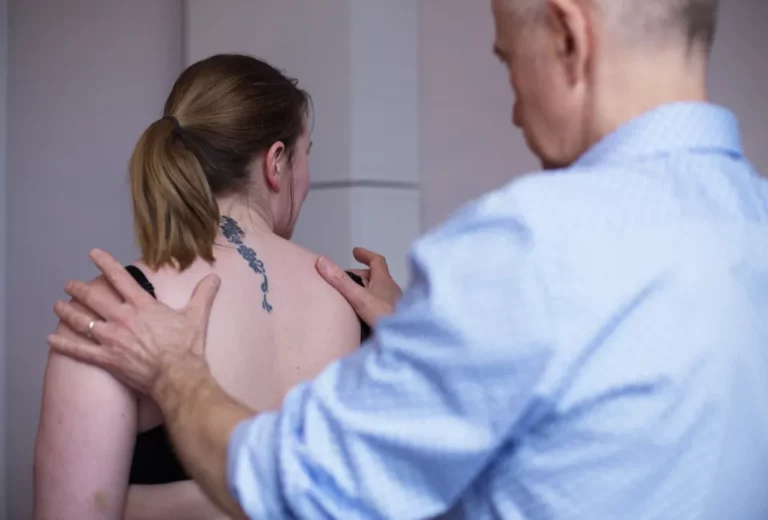
At The Osteopathic Practice, we take the time to understand what is contributing to your symptoms and provide personalised treatment to help reduce pain, restore movement and support your recovery.

Common symptoms of shoulder pain
Shoulder pain can present in different ways depending on the underlying cause.
Common symptoms of shoulder pain include:
- Pain or discomfort-> in the shoulder, upper arm, shoulder blade or surrounding areas
- A dull ache -> persistent discomfort that may worsen throughout the day
- Pain with movement -> particularly when reaching, lifting or moving the arm overhead
- Reduced mobility -> difficulty moving the shoulder through its full range of motion
- Weakness -> reduced strength when lifting, carrying or performing daily tasks
- Night pain -> discomfort that may make it difficult to sleep comfortably
- Stiffness -> a feeling of tightness or restriction around the shoulder joint
When should you seek treatment?
If your shoulder pain is not improving, keeps returning, or is affecting your ability to work, exercise, sleep or carry out everyday activities, it may be time to seek professional advice. Early assessment can help identify the cause of your symptoms and support your recovery.
Common causes of shoulder pain
Shoulder pain can develop for a variety of reasons, from everyday activities and workplace demands to sporting injuries and age-related changes.
Common causes of shoulder pain include:
- Repetitive movements
- Occupational demands
- Sports and exercise
- Lifting and carrying
- Muscle and tendon strain
- Rotator cuff injuries
- Frozen shoulder
- Nerve irritation
- Injuries and accidents
- Osteoarthritis and age-related changes
At The Osteopathic Practice, our team helps people to understand what may be causing their pain, and find the right way forward.

How Osteopathy can help
At The Osteopathic Practice, we take a whole-body approach to treating shoulder pain.
We assess how your neck, upper back, spinal curves, and movement patterns may be contributing to your symptoms.
Treatment may include hands-on osteopathic techniques to improve mobility, reduce muscle tension and support recovery. We may also provide rehabilitation exercises and practical advice to help improve movement and support long-term shoulder health.
Our aim is to reduce pain, restore function and help you get back to doing the things you enjoy.
How we treat shoulder pain
Your treatment plan will be tailored to the underlying cause of your shoulder pain, your symptoms and your recovery goals.
Following a Reset Consultation, your osteopath will recommend the most appropriate approach to help relieve discomfort and improve movement.
Treatment may include:
- Joint mobilisation techniques
- Soft tissue massage and muscle release
- Stretching and mobility exercises
- Strengthening and rehabilitation exercises
- Movement advice
- Activity modification guidance
- Self-management strategies to support recovery
Where appropriate, treatment can begin during your first appointment. We may also provide exercises and practical advice to support your recovery between sessions.
Our focus is on helping you reduce pain, restore comfortable movement and return to the activities that matter most to you.

How we work together
Book an appointment
Share your experience and feel heard
Get started on your customised treatment plan

What is a Reset consultation?
A Reset Consultation is a longer osteopathic session designed to help you understand what’s going on in your body, relieve symptoms, and plan a way forward. You don’t need to have had osteopathy before.
During your appointment, we’ll:
- Carry out a full-body assessment
- Provide hands-on osteopathic treatment
- Discuss your concerns and goals
- Offer clear, practical advice and exercises to use at home
Whether you’re managing an ongoing issue or simply want to take better care of yourself, this is a good opportunity to pause and reset.
Is this appointment right for me?
A Reset Consultation is ideal if:
- You’ve been tolerating pain, tension, or stiffness and want to take action
- You’re worried about how your symptoms affect your daily life
- You’d like a full-body check to prevent future issues
- You’ve had a recent injury and want effective support
- You’re returning to treatment after a break or trying osteopathy for the first time
- You simply want to move more easily and feel more comfortable
What to expect
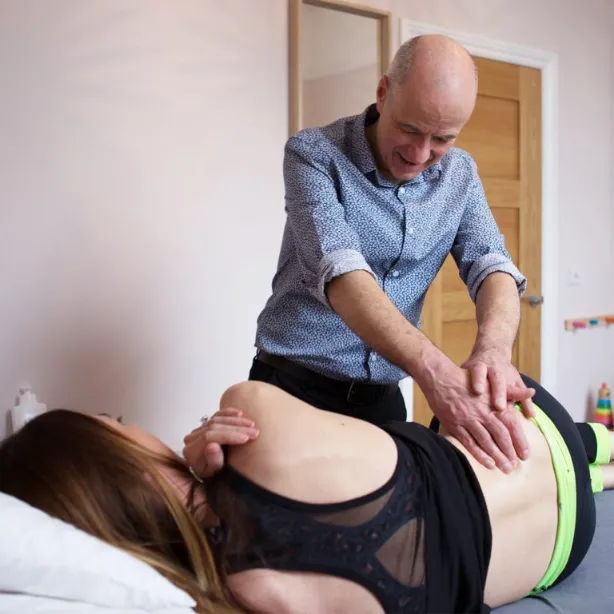
Your Reset Consultation begins with a detailed discussion about your symptoms, medical history, lifestyle and any activities which may be contributing towards your pain. We will then carry out a physical examination to assess your posture, movement, strength and mobility, to better understand the cause of your symptoms.
Using this information, your osteopath will explain their findings, discuss a diagnosis and recommend a personalised treatment plan for your needs. In many cases, treatment may begin during your Reset Consultation.
We encourage questions throughout the process, ensuring you feel informed and confident about your care.
You may also be interested in:
Frequently asked questions
It is generally advisable to avoid activities that significantly aggravate your symptoms. However, complete rest is not always recommended, as gentle movement can often support recovery and help maintain mobility.
There is no single exercise that is right for everyone. The most appropriate exercises depend on the cause of your symptoms. Your osteopath can recommend a personalised programme tailored to your needs.
Gentle movement, alternating ice and heat, and appropriate exercises can often help relieve shoulder pain. If your symptoms are ongoing or affecting daily activities, it is worth seeking professional advice.
Shoulder clicking is common and is not always a cause for concern. It can occurs as tendons, ligaments or joint structures move during activity. However, if clicking is accompanied by pain, weakness or restricted movement, it is worth having it assessed.
Not always. Many causes of shoulder pain can be identified through a detailed assessment. If further investigation is needed, your osteopath can advise whether imaging may be appropriate.
Most shoulder problems can be managed without surgery. Osteopathic treatment, rehabilitation exercises and activity modification are often effective in helping to reduce symptoms and improve function.