
Osteopathy for hip pain in Sheffield
Is hip pain getting in the way of everyday life?
We can help you explore what may be contributing to your hip pain and what may be affecting your movement and comfort, so you can understand what’s going on and take the next steps towards moving and feeling better.
Testimonials
What our clients say
Hip pain can make everyday activities such as walking, climbing stairs, exercising or even getting comfortable at night more difficult.
Whether your symptoms have developed gradually over time or followed an injury, hip pain can have a significant impact on your mobility and quality of life.
Hip pain can affect anyone, whether it develops gradually over time or appears more suddenly.
At The Osteopathic Practice, we provide personalised care to help identify the cause of your symptoms and support your recovery, so you can get back to moving with greater comfort and confidence.

Common symptoms of hip pain
Hip pain can present in different ways depending on the underlying cause.
Common symptoms of hip pain include:
- Pain in the hip, groin or buttock-> discomfort around the hip joint or surrounding areas
- Aching or sharp pain -> ranging from a dull ache to more intense pain during movement
- Stiffness -> difficulty moving the hip comfortably, particularly after rest
- Reduced mobility -> finding it harder to walk, bend or climb stairs
- Pain during activity -> discomfort when walking, exercising or standing for long periods
- Pain that travels -> symptoms that extend into the thigh, knee or lower back
- Tenderness -> pain when pressure is applied around the hip
- Weakness or instability -> feeling less confident when moving or weight-bearing
When should you seek treatment?
If your hip pain is persistent, worsening, or affecting your ability to walk, exercise or carry out everyday activities, it may be time to seek professional advice. An assessment can help identify the cause of your symptoms and support your recovery.
Common causes of hip pain
Hip pain can develop for a variety of reasons, from everyday activities and workplace demands to sporting injuries and age-related changes.
Common causes of hip pain include:
- Lifestyle factors
- Occupational demands
- Sports and exercise
- Repetitive movements
- Prolonged sitting
- Lifting and carrying
- Injuries and accidents
- Muscle and tendon strain
- Age-related wear and tear
At The Osteopathic Practice, our team helps people to understand what may be causing their pain, and find the right way forward.

How Osteopathy can help
At The Osteopathic Practice, we take a whole-body approach to treating hip pain.
We assess how your hips, pelvis, lower back, knees, ankles and overall movement patterns may be contributing to your symptoms.
Treatment may include hands-on osteopathic techniques to improve joint mobility, reduce muscle tension and support recovery. We may also provide rehabilitation exercises, movement advice and practical guidance to help improve strength, stability and long-term function.
Our objective is to help you move more freely, stay active and return to the activities that matter most to you.
How we treat hip pain
The treatment you receive will depend on the cause and severity of your hip pain.
Following a Reset Consultation, your osteopath will create a personalised treatment plan designed to reduce pain, improve mobility and support recovery.
Treatment may include:
- Osteopathic joint mobilisation techniques
- Soft tissue massage and muscle release
- Stretching and mobility exercises
- Strengthening and rehabilitation exercises
- Postural and movement advice
- Activity and lifestyle guidance
- Self-management strategies to support long-term recovery
Our aim is to improve hip function, restore comfortable movement and help you return to everyday activities with greater confidence.

How we work together
Book an appointment
Share your experience and feel heard
Get started on your customised treatment plan

What is a Reset consultation?
A Reset Consultation is a longer osteopathic session designed to help you understand what’s going on in your body, relieve symptoms, and plan a way forward. You don’t need to have had osteopathy before.
During your appointment, we’ll:
- Carry out a full-body assessment
- Provide hands-on osteopathic treatment
- Discuss your concerns and goals
- Offer clear, practical advice and exercises to use at home
Whether you’re managing an ongoing issue or simply want to take better care of yourself, this is a good opportunity to pause and reset.
Is this appointment right for me?
A Reset Consultation is ideal if:
- You’ve been tolerating pain, tension, or stiffness and want to take action
- You’re worried about how your symptoms affect your daily life
- You’d like a full-body check to prevent future issues
- You’ve had a recent injury and want effective support
- You’re returning to treatment after a break or trying osteopathy for the first time
- You simply want to move more easily and feel more comfortable
What to expect
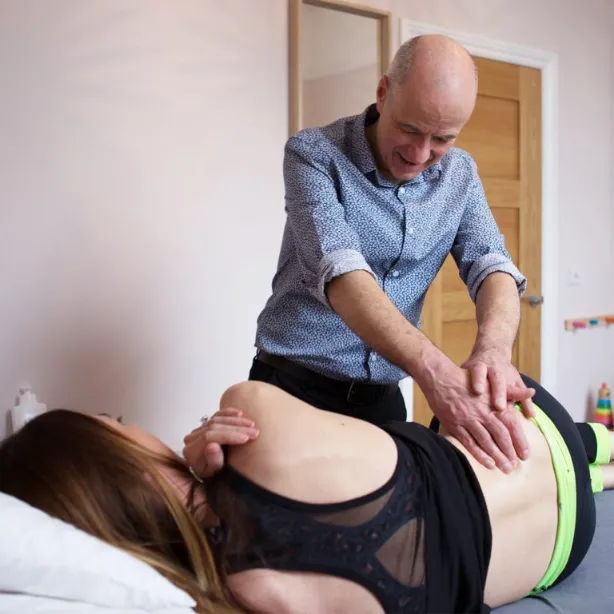
Your Reset Consultation begins with a detailed discussion about your symptoms, medical history, lifestyle and any activities which may be contributing towards your pain. We will then carry out a physical examination to assess your posture, movement, strength and mobility, to better understand the cause of your symptoms.
Using this information, your osteopath will explain their findings, discuss a diagnosis and recommend a personalised treatment plan for your needs. In many cases, treatment may begin during your Reset Consultation.
We encourage questions throughout the process, ensuring you feel informed and confident about your care.
You may also be interested in:
Frequently asked questions
This depends on the cause of your symptoms. While short periods of rest may help during a flare-up, gentle movement is often beneficial. Your osteopath can advise on the most appropriate approach for your recovery.
The most effective approach depends on the underlying cause of your hip pain. Hands-on treatment, activity modification, targeted exercises and addressing contributing factors can all play a role in reducing symptoms and improving function.
If your pain is severe, worsening, affecting your ability to walk or use your hip, or interfering with daily activities, it is worth seeking professional advice. An assessment can help determine the cause of your symptoms and whether further investigation is needed.
Gentle stretching may help improve mobility and reduce stiffness, but it is not suitable for every condition. An assessment can help identify the most appropriate exercises for your symptoms.
The most appropriate exercises depend on the cause of your symptoms. Your osteopath may recommend specific mobility, strengthening or rehabilitation exercises designed to support your recovery and improve hip function.
The number of treatments required will depend on your symptoms, diagnosis and individual recovery goals. Your osteopath will discuss this with you during your first appointment.
As a guide, many adults benefit from 4–6 treatment sessions.